Complete Guide to Electronics Recycling
Green Initiatives: How E-Waste Recycling Services Are Protecting Our Planet
E-waste poses significant threats to the environment, as discarded electronics often contain toxic materials. Such dangerous compounds can pollute soil and water supplies, resulting in widespread environmental harm. Electronic waste recycling programs offer an effective remedy. They successfully retrieve useful resources while simultaneously minimizing environmental pollution. Gaining insight into how these programs function and affect local communities is critical. The path to successful electronic waste management prompts vital discussions about personal accountability and communal efforts. What measures can be pursued from this point onward?
Why E-Waste Poses a Threat to the Planet
While technology enhances contemporary living, e-waste creates significant environmental threats. Discarded electronic devices, frequently composed of dangerous compounds like mercury, lead, and cadmium, are capable of seeping pollutants into soil and groundwater, presenting dangers to both wildlife and human well-being. The rapid pace of technological advancement results in higher rates of electronics disposal among consumers, worsening the buildup of discarded electronic materials.
Landfills, already burdened with waste, struggle to accommodate the growing volumes of discarded gadgets. Incineration, another disposal method, releases harmful pollutants into the atmosphere, contributing to air quality degradation. In addition, improper recycling practices can lead to the exportation of e-waste to developing countries, where laborers may dismantle devices without adequate safety measures, exposing themselves to dangerous substances. This ongoing cycle of carelessness and inadequate management emphasizes the pressing necessity for responsible recycling initiatives that can lessen the harmful consequences of e-waste on our world.
Understanding E-Waste and Its Significance
Electronic waste, commonly known as e-waste, encompasses discarded electronic devices like computers, smartphones, and televisions that have reached the end of their useful life. This growing category of waste is significant due to its rapid accumulation, propelled by advances in technology and evolving consumer behaviors. As growing numbers of electronics become outdated, the toll on the environment grows more severe, with toxic materials such as lead, mercury, and cadmium threatening both ecosystems and public health.
The significance of tackling e-waste extends beyond minimizing these risks to recognizing the valuable resources it holds. Critical metals and rare earth components can be reclaimed and recycled, decreasing the reliance on mining and protecting natural resources. Through a deeper awareness of e-waste and its consequences, both individuals and organizations can make well-informed choices regarding disposal and recycling, thereby supporting a more sustainable future. Responsible management of e-waste plays a key role in supporting a circular economy and championing environmental stewardship.
How E-Waste Recycling Works
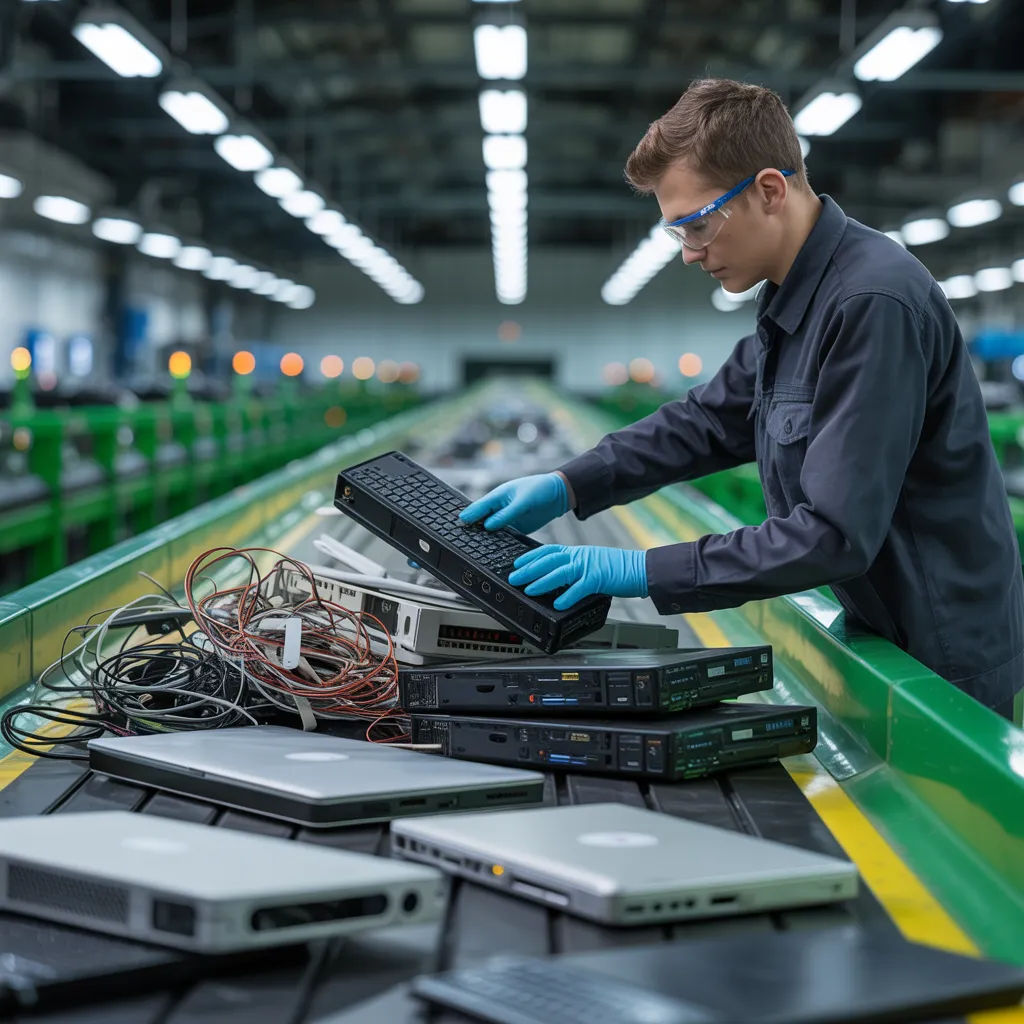
The recycling of e-waste encompasses a structured approach intended to extract beneficial components while reducing harm to the environment. At the outset, electronic waste is gathered and delivered to purpose-built recycling plants. Complete guide After reaching the facility, the equipment is meticulously organized to separate hazardous components from recyclable materials.
After this step, technicians take apart the items, extracting metals, plastics, and glass. This stage is crucial, as it enables the reclamation of rare metals like copper, gold, and silver, which are repurposed in new electronics.
Next, the separated materials are handled via state-of-the-art techniques, such as mechanical shredding and chemical processing, to refine them for repurposing.
Finally, the leftover hazardous materials are disposed of responsibly, complying with environmental guidelines. This systematic method not only preserves valuable resources but also reduces the dangers associated with unsafe e-waste handling, ensuring a more sustainable future for the consumption of electronics.
The Benefits of E-Waste Recycling for You and Your Community
Though many people are unaware, the advantages of e-waste recycling go far beyond individual benefit and actively shape entire communities. By carefully processing electronic waste, individuals help foster a cleaner environment, minimizing harmful substances that can seep into soil and water. This forward-thinking practice works to protect local ecosystems and advances public health.
In addition, electronic waste recycling supports employment opportunities within local communities. Community recycling operations commonly require workers for various operations, from collection to processing, therefore offering work opportunities for community members. This not only enhances the community economy but also encourages community engagement in sustainable practices.
In addition, knowledge about e-waste recycling has the potential to generate learning opportunities, encouraging residents to embrace sustainable practices. By engaging with e-waste recycling programs, individuals cultivate a culture of sustainability, prompting others to embrace similar practices. All things considered, the cumulative impact of these actions can lead to a more resilient and environmentally responsible community.
A Guide to Selecting an E-Waste Recycling Service
Choosing the right e-waste recycling service is essential for ensuring that electronic refuse is handled in a responsible and sustainable manner. Initially, people should check the company's accreditations, such as e-Stewards or R2, which indicate conformance to established benchmarks for safe recycling practices. It's also important to evaluate the organization's credibility by reviewing feedback and obtaining referrals from reliable sources.
Furthermore, openness in the recycling process is crucial. A dependable service should provide clear information about the manner in which e-waste is managed and what becomes of the materials. Additionally, considering the scope of services provided can prove valuable; certain providers may offer collection services or present rewards for recycling.
In addition, understanding area-specific requirements for e-waste disposal may further shape the evaluation process. Through focusing on these key aspects, residents can actively participate in responsible e-waste disposal as well as promoting sustainable environmental efforts.
How You Can Get Involved in E-Waste Recycling?
Getting involved with e-waste recycling can start at the local level, where recycling centers frequently offer essential services for responsible disposal. Furthermore, taking part in community awareness campaigns can amplify efforts to raise awareness about the importance of responsible e-waste management. Such efforts not only advance environmental sustainability but also foster a collective sense of accountability for the environment.
Area Recycling Stations
Several regional recycling hubs play an essential role in the recycling of e-waste, giving communities practical solutions to handle electronic waste in a responsible manner. These facilities handle a range of electronic equipment, including used computers, handheld devices, and televisions, guaranteeing that dangerous substances are processed safely. The majority of facilities employ qualified professionals who support individuals in understanding proper disposal practices, highlighting the value of recycling rather than landfilling. In addition, numerous facilities provide scheduled drop-off occasions or specific collection dates, enabling residents to engage without difficulty. By utilizing these local services, residents support a circular economy, lowering environmental harm and encouraging sustainable habits. Partnering with these facilities enables communities to combat e-waste pollution successfully.
Community Awareness Campaigns
Nearby organizations, schools, and enterprises can work together to organize events that support e-waste collection drives. Community members can serve a critical function in raising awareness, sharing informational resources, and connecting with local residents. As a result of these combined actions, community members grow more knowledgeable and inspired to dispose of their electronics responsibly, ultimately contributing to a more sustainable future.
Answers to Your Most Common Questions
What Electronic Devices Are Eligible for Recycling?
Numerous electronics can be recycled, including laptops, televisions, smartphones, printers, computers, and gaming consoles. In addition, peripherals such as batteries, keyboards, and mice are equally appropriate for recycling, aiding in environmental conservation efforts.
Are There Fees Involved With E-Waste Recycling?
That's correct, electronic waste recycling can include charges, subject to the facility. Some facilities charge fees for gathering or treatment, while some providers provide no-cost solutions, often subsidized by the proceeds from salvaged materials.
How Do Businesses Gain From E-Waste Recycling?
Businesses can benefit from e-waste recycling by reducing disposal costs, enhancing their environmental image, meeting compliance standards, recovering valuable materials, and possibly earning income through resale, thus supporting a greener and more sustainable operational framework.
What Happens to Data on Recycled Devices?
Data from repurposed devices is commonly irretrievably wiped or eliminated during processing. This ensures confidential data remains secure, stopping improper access while permitting resources to be recycled carefully and ethically within new applications.
Are Broken Electronics Eligible for Recycling?
Indeed, broken electronics can be recycled. A wide range of facilities take in damaged devices, providing responsible disposal and retrieval of useful materials. This helps minimize the environmental footprint while fostering sustainable recycling habits to control e-waste properly.